Language/Bahasa

Showing posts with label renal failure. Show all posts

Wednesday, 21 November 2012

DIAGNOSIS OF RENAL FAILURE


The diagnosis of renal failure can be done through the observation of a combination of symptoms ,physical examination and elevated the build up of waste products in the blood such as blood urea nitrogen (BUN),creatinine (Cr) levels, serum potassium, Glomerular filtration rate  and urinalysis. 

Urinalysis
Test to measure the amount of protein, detect the presence of abnormal blood cells, or measure the concentration of electrolytes.
  •  Abnormalities of protein concentration in urine can act as indicator that the damage to the kidney has occurred. The most accurate method is  protein to creatinine ratio. Normal(200 mg/gm or less per day).Another test ,albumin to creatinine ratio which normal reading(30 mg/gm per day).More than 30 mg/gm per day or higher is sign of early kidney disease
  •  The present of anaemia also related with kidney disease where abnormal aggregations of RBC can be seen in urine.Kidney disease disrupts blood cell production and shortens the survival  the red blood cell count and hemoglobin may be low (anemia)
  • Comparing the concentrations of electrolytes in the blood and urine can help decide whether the kidneys are able to appropriately monitor and filter blood. Kidney dysfunction causes imbalances in electrolytes,such hyperkalemia, hypocalcemia (Decreased production of the active form of vitamin D), Hyperphosphatemia (Inability of failing kidneys to excrete phosphorus)


 Glomerular filtration rate  
Estimated from results of a serum (or blood)creatinine test. The GFR show the effciency of kidney to remove wastes from your blood. A serum (or blood) creatinine test alone should not be used to check kidney function. GFR is calculated using the serum creatinine and other factors such as age and gender.(refer GFR table)


A blood urea nitrogen (BUN) test
Measuring the amount of nitrogen in the blood that comes from the waste product urea.. BUN level rises when the kidneys aren't working well enough to remove urea from the blood.

Serum creatinine and creatinine clearance tests
Tests  that measure the level of waste,creatinine in blood & urine.It(creatine) formed when food converted into energy through a process of metabolism. Creatine broken further into creatinine that taken out of your blood by the kidney.

Types of tests on creatinine
Ø  Blood creatinine level
T A high creatinine level may mean your kidneys are not working properly.
Ø  Creatinine clearance test
A creatinine clearance test measures how well creatinine is removed from your blood by your kidneys. A creatinine clearance test is done on both a blood sample and on a sample of urine collected over 24 hours (24-hour urine sample).
Ø  Blood urea nitrogen-to-creatinine ratio (BUN:creatinine)
The levels of blood creatinine and blood urea nitrogen can be used to find the BUN-to-creatinine ratio. A blood urea nitrogen (BUN) test measures the amount of urea in blood.

Other related tests
  • Abdominal ultrasound (check size or any obstruction exists)
  • Kidney biopsy (tissues of kidney examine under microscope)
  • Duplex Dropper study(check restricted of blood flow such renal artery stenosis)

SYMPTOMS OF RENAL FAILURE


Kidney failure usually do not showed of any symptoms (asymptomatic) to the patient.The symptoms start manifest as kidney function decrease with a variety of different clinical presentation.It may effect on kidney(hematuria,flank pain).associated extra renal symptoms such as edema, hypertension, and signs of uremia.Others detected by elevated of plasma creatinine, concentration or an abnormal urinalysis (proteinuria).As the failure continues, kidney was unable to regulate water and electrolytes balance ,to excrete the waste products and to promote the red blood cell production.


  •  Low Urine Output


The significant decrease in urine output is the symptom of either chronic or acute renal failure. It effect the odor(strong odor),color(yellow, orange or brown),and concentration. Low urine output also lead to toxin and wastes develop in body and tissues.
  • Edema


Due to urine output decrease will lead to fluid retention in the body. Fluids tend to trapped in the tissues hence cause swelling called edema to occur. Location of edema usually occurs in the legs, feet, arms and hands.

  • Fatigue


Early stages of renal insufficiency tend to feel more tired or unwell rather than usual. Fatigue and drowsiness are common at this stage .Kidney produce a hormone called erythropoietin(help produce RBC).Kidney insufficiency cause RBC declines, that lead to oxygen flow hence lead to fatigue & energy loss. 


  • Inflammation


Inflammation, or swelling in parts of the body, is also a sign of kidney disease. Types of inflammation are facial swelling and puffy eyes upon awakening, or swelling in the ankles and feet. When the kidneys are under stress, they are not able to effectively rid the body of toxins and excess fluids. When the amounts of toxins in the body are increased, inflammation occurs, as the body is trying to protect itself from these toxins.

  • Hematuria


The condition when blood present in urine. Micro hematuria is condition, the blood is not visible .Hematuria develops due to damage in filtration barrier within the nephron that allows small cells in the blood into the urine.

  • Proteinuria


Proteinuria is the present of protein in urine. Kidney disease causes disruption of the filtration barrier(usually prevent chemicals from the blood from leaking into the urine) that allows protein to leak out of the blood to get expelled in the urine.

  •  Anorexia and Nausea

Anorexia--loss of appetite--and nausea occur in very advanced kidney disease and in kidney failure. Patients with advanced kidney disease often experience a metallic taste in the mouth that reduces the desire to eat. Severe kidney damage and a lack of filtration also leads to the accumulation of toxins within the body, which causes nausea and vomiting


Others related symptoms
  •  Bloody stools
  •  Breath odor
  • Decrease sensation especially in the hands or feet
  • Flank pain (between the ribs and hips)
  •  Hand tremor
  •   High blood pressure
  •   Have muscle cramping at night
  •   Have dry, itchy skin, easily bruising (due to anemia)


RISK FACTOR FOR RENAL DISEASE


Risk factor for renal disease can be divided into:

1.      Acute renal disease
2.      Chronic renal disease
3.      End stage renal disease


Risk factor of acute kidney failure includes:


  • Being hospitalized, especially for a serious condition that requires intensive care.
  • Advanced age
  • Blockages in the blood vessels in arms or legs (peripheral artery disease)
  • Diabetes
  •  Liver diseases

Conditions and agents may damage the kidneys and lead to acute kidney failure:
  • Blood clots in the veins and arteries in and around the kidneys.
  • Cholesterol deposits that block blood flow in the kidneys
  • Glomerulonephritis
  • Hemolytic uremic syndrome, a condition that results from premature destruction of red blood cell.
  •  Medications, such as certain chemotherapy drugs, antibiotics, dyes used during imaging tests and zoledronic acid (Reclast, Zometa), used to treat osteoporosis and high blood calcium levels (hypercalcemia)
  • Multiple myeloma
  •  Scleroderma  (hardening and tightening of skin and tissue)


Figure: Scleroderma
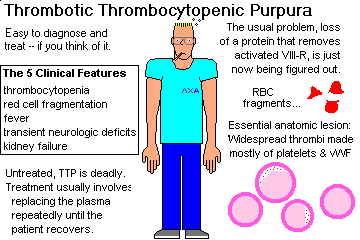
  •  Thrombotic thrombocytopenic purpura (TTP), a rare blood disorder


Figure : Thrombotic thrombocytopenic purpura (TTP)

  • Toxins, such as alcohol, heavy metals and cocaine
  •  Vasculitis, an inflammation of blood vessels
  • Urine blockage in the kidneys


Factors that may increase risk of chronic kidney failure include:

  • Diabetes
  • High blood pressure
  • Heart disease
  • Smoking
  • Obesity
  • High cholesterol
  • Family history of kidney disease
  • Age 65 or older
  • Chronic kidney failure occurs when a disease or condition impairs kidney function, causing kidney damage to worsen over several months or years.


Conditions that commonly cause chronic kidney failure include:
  • Glomerulonephritis
  •  Polycystic kidney disease
  • Prolonged obstruction of the urinary tract, from conditions such as enlarged prostate, kidney stones and some cancers
  •  Recurrent kidney infection, also called pyelonephritis
  • Use of recreational drugs can harm the kidneys and may lead to kidney failure and the need for dialysis. These drugs include:
§  Aerosols
§  Cocaine and crack cocaine
§  Heroin
§  Ketamine
§  LSD
§  Methamphetamines
§  Oxycontin
§  PCP ("angel dust")
§  Poppers


Risk factor for end stage renal disease:
  • Diabetes mellitus
  • Obesity
  • Hypertension                                                                       
  • Analgesic nephropathy.
  • Having chronic kidney disease.


Thank you for viewing our blog…..^^


Friday, 9 November 2012

TYPES OF RENAL FAILURE


RENAL FAILURE
What it is defined by renal failure? It is a syndrome characterized by decline in glomerular filtration rate, accumulation of nitrogenous waste products; disturb water electrolytes and acid base balance.

TYPES OF RENAL FAILURE
Renal failure can be divided into three (3) types which is:

  • Acute renal failure
  • Chronic renal failure
  • End stage renal failure

Now let us go in details to each type of the renal failure…

Acute Renal Failure
-          Sudden loss of kidney function due to high accumulation of waste products from body’s metabolism in blood. This condition occurs when kidneys are unable to get rid of daily toxins in the urine which then can lead to serious complication. Acute renal failure has abrupt onset and is potentially reversible.

Chronic Kidney Disease
-          Gradual development into permanent kidney disease that worsen over a number of years. This condition usually progress slowly over at least three months and can lead to permanent kidney failure. Early detection and treatment of underlying causes of kidney disease can help in preventing the progression of the condition.

End Stage Renal Failure
-          Kidneys permanently fail to work. The kidney may slowly stop working over 10 to 20 years before end stage disease results. There are two treatment available for those with end stage renal failure; undergo dialysis (hemodialysis, CAPD) or having a renal transplant from a donor.